William Hazlitt (1775-1830) was a renowned English essayist, literary critic, painter, and philosopher, known for his sharp wit, insightful observations, and passionate prose. Now, thanks to the volunteers at Distributed Proofreaders and Project Gutenberg, after six years of preparation, all 12 volumes of the 1902-1906 edition of his Collected Works (plus an index volume) are available to the public for free.
Hazlitt’s works span a wide range of topics, including literature, art, politics, philosophy, and personal reflections. Here are some highlights.
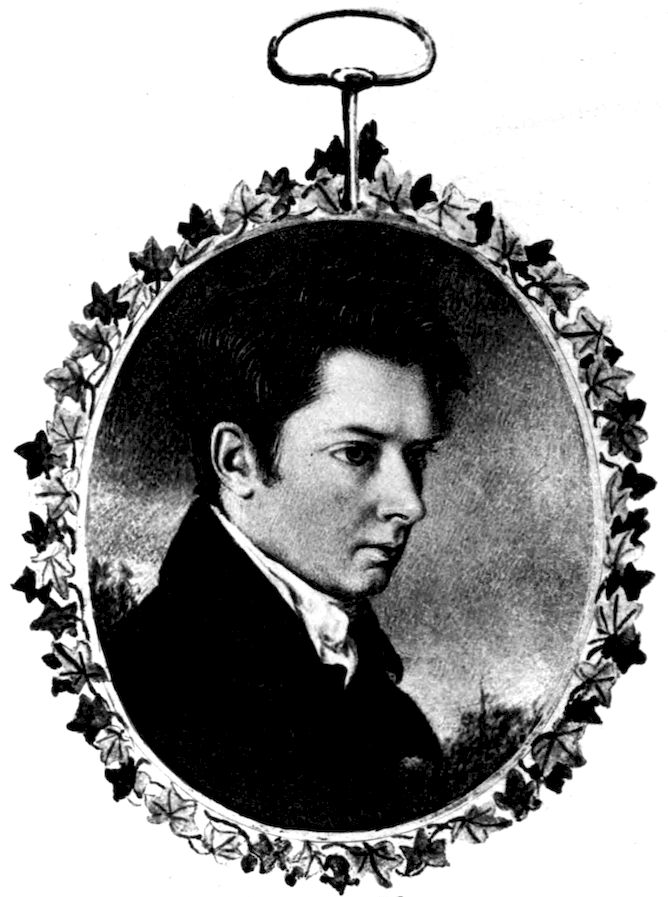
Literary Criticism: Hazlitt’s contributions to literary criticism are particularly noteworthy. His essays on Shakespeare, Milton, Wordsworth, and other literary giants are insightful and thought-provoking, offering fresh perspectives on their works. He was also a keen observer of contemporary literature, providing critical evaluations of emerging writers and trends.
Philosophical Writings: Hazlitt’s philosophical writings explore themes of human nature, morality, and politics. His “Essay on the Principles of Human Action,” in Volume Seven, delves into the motivations behind human behavior, while his political essays reflect his liberal and revolutionary sympathies.
Art Criticism: Hazlitt’s passion for art is evident in his essays on painting, sculpture, and architecture. He was a strong advocate for the appreciation of art in everyday life, believing that it could enrich one’s understanding of the world and oneself.
Personal Essays: Hazlitt’s essays offer a glimpse into his thoughts, experiences, and sensibilities. His reflections on love, friendship, and the human condition are poignant and relatable, providing a glimpse into the mind of a brilliant and sensitive individual. One of his most famous essays, “The Fight,” in Volume Twelve, relates his brilliant observations about a boxing match he attended in 1821.
Overall, The Collected Works of William Hazlitt is a treasure trove of intellectual riches, showcasing the breadth and depth of Hazlitt’s genius. His essays are a delight to read, offering a stimulating blend of intellectual insight, literary appreciation, and personal reflection. Hazlitt’s legacy as a writer and thinker continues to inspire and inform readers today.
This post was contributed by Richard Tonsing, a Distributed Proofreaders volunteer who was both the Project Manager and the Post-Processor for all 13 volumes of The Collected Works of William Hazlitt.
The Collected Works of William Hazlitt
Volume One
The Round Table
Characters of Shakespear’s Plays
A Letter to William Gifford, Esq.
Volume Two
Memoirs of Thomas Holcroft
Liber Amoris
Characteristics
Volume Three
Free Thoughts on Public Affairs
Political Essays
Advertisement, etc., from The Eloquence of the British Senate
Volume Four
A Reply to Malthus
The Spirit of the Age
Etc.
Volume Five
Lectures on the English Poets and on the
Dramatic Literature of the Age of Elizabeth Etc.
Volume Six
Table Talk and
Conversations of James Northcote, Esq., R.A.
Volume Seven
The Plain Speaker
Essay on the Principles of Human Action
Etc.
Volume Eight
Lectures on the English Comic Writers
A View of the English Stage
Dramatic Essays from ‘The London Magazine’
Volume Nine
The Principal
Picture-Galleries in England
Notes of a Journey through France and Italy
Miscellaneous Essays on the Fine Arts
Volume Ten
Contributions to the Edinburgh Review
Volume Eleven
Fugitive Writings
Volume Twelve
Fugitive Writings
Index


 Posted by LCantoni


 Hot off the Press